

Phosphatidylserine Benefits: What the Research Shows
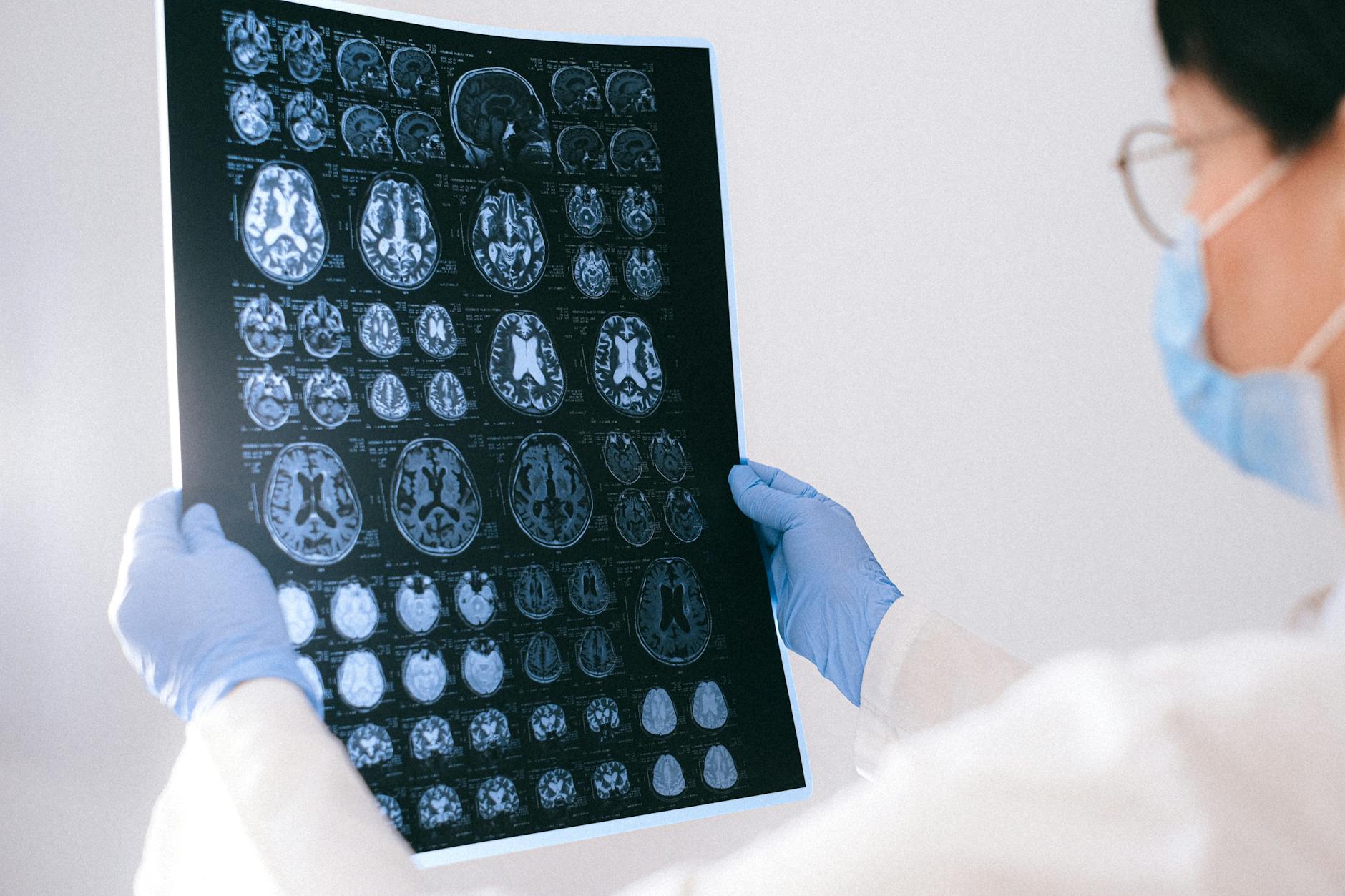
Every cell in your body has phosphatidylserine in its membrane. Your brain has more of it than any other organ. This phospholipid makes up 11 to 14 percent of the phospholipids in the cerebral cortex, where it supports the machinery that keeps neurons firing and communicating.
Supplement labels promise sharper memory and lower stress. The clinical evidence is real but narrower than the marketing suggests. This article walks through what phosphatidylserine does, what the research has tested, and where the evidence runs out.
What is phosphatidylserine?
Phosphatidylserine is a phospholipid, a type of fat molecule that forms the double-layered membrane around every cell. It sits on the inner face of the membrane, the side that faces the cell's interior, where it anchors proteins and enzymes that the cell needs for signalling.
The brain is the organ with the highest concentration of phosphatidylserine. A 2022 review in Frontiers in Aging Neuroscience reported that phosphatidylserine accounts for 11.4 to 14.4 percent of the phospholipids in the cerebral cortex. White matter and myelin contain the highest levels.
Until the early 1990s, most phosphatidylserine supplements came from bovine brain tissue. Concerns about transmissible spongiform encephalopathy (mad cow disease) led manufacturers to switch to plant sources. Modern supplements are derived from soy lecithin or sunflower lecithin.
How does phosphatidylserine work in the brain?
Phosphatidylserine sits at the junction of several processes that matter for cognition.
Neurotransmitter release. At the synapse, phosphatidylserine helps dock synaptic vesicles against the presynaptic membrane. It interacts with synaptotagmin I and alpha-synuclein, two proteins involved in vesicle fusion. When a nerve impulse arrives, this docking step determines how quickly and reliably the cell releases its neurotransmitter. Research has shown that phosphatidylserine treatment increases the number of synaptic vesicles adjacent to the plasma membrane.
Membrane fluidity. The brain needs flexible membranes to support receptor function and signal transduction. Phosphatidylserine contributes to membrane fluidity on the inner leaflet. When phosphatidylserine levels fall, as they do with age, membranes stiffen and receptor sensitivity can decline.
Cortisol modulation. Phosphatidylserine interacts with the hypothalamic-pituitary-adrenal (HPA) axis, the hormonal system that controls the stress response. Several small trials have found that supplementation reduces cortisol output after physical or psychological stress. The mechanism is not fully understood, but it appears to involve dampening the adrenal response to adrenocorticotropic hormone (ACTH).
Apoptosis signalling. In healthy cells, phosphatidylserine stays on the inner leaflet. When a cell is damaged or aging, phosphatidylserine flips to the outer surface, where it acts as an "eat me" signal for immune cells. This cleanup process removes damaged neurons and supports tissue maintenance.
What are the proven benefits of phosphatidylserine?
The strongest evidence comes from trials in older adults with memory complaints. The results are encouraging but come with limits: small sample sizes and short durations, with industry funding in several cases.
Memory in older adults
The largest trial is Cenacchi et al. (1993), a double-blind, placebo-controlled, multicentre study of 494 elderly patients with moderate to severe cognitive decline. Participants took 300 mg of bovine-derived phosphatidylserine per day for six months. The phosphatidylserine group showed statistically significant improvements in memory, learning, and behaviour scores compared with placebo.
A 2010 Japanese trial (Kato-Kataoka et al.) tested soy-derived phosphatidylserine in 78 older adults with memory complaints. Participants received 100 mg per day, 300 mg per day, or placebo for six months. Among those with lower baseline scores, both phosphatidylserine groups improved on a delayed recall test compared with placebo. The benefit persisted at a three-month follow-up after supplementation stopped, while the placebo group returned to baseline.
A separate 2010 trial (Vakhapova et al.) gave 157 non-demented elderly participants 300 mg per day of phosphatidylserine conjugated with DHA (an omega-3 fatty acid) or placebo for 15 weeks. The phosphatidylserine group showed significant improvement in verbal immediate recall. The benefit was strongest in a subgroup with higher baseline cognitive function.
These three trials all point in the same direction: phosphatidylserine at 100 to 300 mg per day can improve certain memory measures in older adults, particularly delayed and immediate verbal recall. But none of the trials was large enough to be definitive on its own, and the biggest one (Cenacchi) used bovine-derived phosphatidylserine, a form no longer on the market. The soy-derived trials are smaller and shorter.
Cortisol reduction
Three separate studies have tested phosphatidylserine's effect on the cortisol response.
Starks et al. (2008) used a crossover design with 10 healthy men who took 600 mg per day of soy-derived phosphatidylserine or placebo for 10 days, then cycled at moderate to high intensity. Peak cortisol was approximately 39 percent lower with phosphatidylserine (26.9 vs 44.2 micrograms per decilitre), and cortisol area under the curve was approximately 35 percent lower.
Hellhammer et al. (2014) tested a soy-based phosphatidylserine and phosphatidic acid complex in chronically stressed men. The combination normalised the cortisol response to a standardised stress test, but only in participants who were chronically stressed at baseline. Men with low baseline stress showed no effect.
Baumeister et al. (2008) measured EEG activity in 16 healthy subjects after phosphatidylserine supplementation and found reduced frontal brain activity associated with the stress response.
The cortisol evidence is consistent in direction but built on very small trials (10, 16, and approximately 80 participants). No large-scale replication exists yet.
Attention in children
A 2013 trial (Hirayama et al.) of 36 children with ADHD-like symptoms found that phosphatidylserine supplementation improved working memory and reduced symptoms of inattention. The sample was small and the trial lasted only two months, so these results need replication before drawing firm conclusions.
Can phosphatidylserine lower cortisol?
The short answer is yes, in certain conditions. The longer answer is that the effect depends on whether you are actually under stress.
The Starks (2008) exercise study is the clearest demonstration. Healthy men who took 600 mg per day for 10 days showed a blunted cortisol spike after cycling. Their peak cortisol was 39 percent lower than on placebo, and total cortisol exposure during the exercise session was 35 percent lower.
The Hellhammer (2014) study adds an important qualification. The phosphatidylserine/phosphatidic acid complex reduced cortisol in men who were already chronically stressed, but did nothing in men whose stress levels were normal. This suggests that phosphatidylserine modulates an overactive stress response rather than suppressing cortisol across the board.
If your cortisol levels are normal, you should not expect phosphatidylserine to lower them further. If you are under chronic physical or psychological stress, the available evidence suggests it could help. But the trials are small, and no clinical guideline recommends phosphatidylserine for cortisol management.
Does phosphatidylserine help with sleep?
No clinical trial has measured the effect of phosphatidylserine on sleep quality directly. The sleep hypothesis rests on the cortisol connection: elevated evening cortisol delays sleep onset, and phosphatidylserine lowers cortisol in stressed individuals, so it might help with stress-related insomnia.
The logic is plausible but unproven. Until a trial measures sleep architecture or sleep onset latency in phosphatidylserine-supplemented participants, any claim about sleep benefits is speculation.
What foods contain phosphatidylserine?
Your body can synthesise phosphatidylserine, but you also take it in through food. The amounts in a normal diet fall well short of what clinical trials have tested.
| Food | Phosphatidylserine (mg per 100 g) |
|---|---|
| Soy lecithin | 1,650 |
| Bovine liver | 713 |
| Atlantic mackerel | 480 |
| Chicken heart | 305 |
| White beans | 107 |
| Chicken breast | 85 |
| Beef | 69 |
| Pork | 57 |
(Values from Souci et al. 2008 food composition tables.)
A typical Western diet provides around 130 mg of phosphatidylserine per day. The richest sources, organ meats and soy lecithin, are not regular features of most modern diets. To reach the 300 mg per day tested in most clinical trials, supplementation is the practical route.
Citicoline (CDP-choline) connects to this. Citicoline provides both cytidine and choline, two building blocks that the body uses to synthesise phosphatidylserine and other phospholipids. This is why citicoline supplementation can raise brain phospholipid levels even though it is not phosphatidylserine itself.
How much phosphatidylserine should you take?
Clinical trials have used doses between 100 and 600 mg per day.
The memory trials in older adults used 100 to 300 mg per day and ran for three to six months. Both 100 mg and 300 mg improved delayed recall in the Kato-Kataoka trial, which suggests the threshold for cognitive benefit may be lower than many supplement labels assume.
The cortisol trial that showed the largest effect (Starks 2008) used 600 mg per day, but for only 10 days. Whether that dose is needed for long-term cortisol management, or whether 300 mg would suffice, has not been tested.
Most supplement products deliver 100 to 300 mg per capsule. The evidence best supports 300 mg per day for cognitive support, taken with food because phosphatidylserine is fat-soluble and absorbs better with dietary fat.
Who should avoid phosphatidylserine?
Phosphatidylserine has a good safety record in clinical trials. A 2011 study of 157 older adults taking 300 mg per day for 15 weeks found no adverse effects on blood chemistry, liver, or kidney function. The most common side effect across all trials is mild gastrointestinal discomfort.
Two groups should exercise caution:
People on blood-thinning medication. Phosphatidylserine may interact with anticoagulant drugs. In theory, its role in the coagulation cascade (exposed phosphatidylserine on platelet surfaces promotes clotting) could interfere with blood thinner dosing. No clinical trial has documented this interaction, but the biochemical plausibility is enough to warrant checking with a doctor.
Pregnant or nursing women. No clinical trial has tested phosphatidylserine in pregnancy or during breastfeeding. The absence of evidence is not evidence of safety.
For most healthy adults, phosphatidylserine at 100 to 300 mg per day appears safe based on the trial data available. Anyone taking prescription medication should consult a healthcare provider before adding it.
How phosphatidylserine fits into the bigger picture
Phosphatidylserine does not work alone. It is one component of a network of phospholipids and neurotransmitters that keep the brain functioning.
Citicoline, for example, provides the raw materials for phosphatidylserine synthesis. When the body converts citicoline into cytidine triphosphate (CTP), that CTP drives the production of phosphatidylserine and phosphatidylcholine in neuronal membranes. This is part of the reason citicoline supplementation has been shown to support cognitive function in its own right.
The process of building and remodelling these membranes is central to neuroplasticity, the brain's ability to form new connections and adapt to experience. Phosphatidylserine provides the structural material that makes synaptic remodelling physically possible.
For anyone looking at the full picture of brain health through supplementation, the evidence base for nootropic compounds continues to grow. Our guide to the best nootropic supplements covers the full range of compounds that have been tested and what the data supports.
This article is for informational purposes only. It is not medical advice. Consult a healthcare provider before starting any supplement.
Frequently asked questions
Is phosphatidylserine safe to take every day?
In clinical trials lasting up to six months, daily doses of 100 to 600 mg produced no serious side effects. The most common complaint was mild gastrointestinal discomfort. A 2011 safety study of 157 older adults taking 300 mg per day for 15 weeks found no negative effects on blood work, liver function, or kidney function. Long-term data beyond six months is limited, so anyone on prescription medication should check with a doctor before starting.
When is the best time to take phosphatidylserine?
Clinical trials did not standardise the time of day, so there is no definitive answer. Some people take it in the morning with food to support daytime cognitive function. Others take it in the evening because of its cortisol-lowering effect. The one consistent finding is that phosphatidylserine is fat-soluble, so taking it with a meal that contains some fat may improve absorption.
Does phosphatidylserine help with sleep?
No trial has tested phosphatidylserine specifically for sleep quality. The sleep connection is indirect. Because phosphatidylserine can reduce cortisol, and elevated evening cortisol interferes with sleep onset, some researchers have suggested it could help people whose sleep is disrupted by stress. This remains a hypothesis, not a proven effect.
Can you get enough phosphatidylserine from food alone?
A typical Western diet provides around 130 mg per day, mostly from meat, fish, and dairy. Organ meats and soy lecithin are the richest sources, but few people eat enough of either to reach the 300 mg per day used in clinical trials. Supplementation is the only practical way to match the doses that have been studied.
What is the difference between phosphatidylserine and phosphatidylcholine?
Both are phospholipids found in cell membranes, but they have different structures and different roles. Phosphatidylcholine is the most abundant phospholipid in most cell membranes and serves as a source of choline. Phosphatidylserine is less abundant overall but is concentrated in brain tissue, where it supports neurotransmitter release and cell signalling. They are related but not interchangeable.
Try Vyvamind
Vyvamind combines citicoline, caffeine + L-theanine, tyrosine, and B-vitamins into a single fast-acting focus formula.
Checkout on Amazon · Prime shipping
These statements have not been evaluated by the Food and Drug Administration. This product is not intended to diagnose, treat, cure, or prevent any disease. This article is for informational purposes only and is not medical advice. Consult a qualified healthcare provider before starting any supplement.